
Unlike traditional fiat-backed tokens, 2026 soft-peg algorithmic stablecoins utilize delta-neutral strategies and dynamic collateralization to absorb market shocks, though they remain vulnerable to liquid restaking (LRT) slashing contagion.
The architecture of decentralized finance is undergoing a structural stress test, forcing a critical evaluation: Is the new soft-peg algorithmic stablecoin resilient to 2026 market volatility? Following the systemic liquidations of Q1, reliance on rigid, delta-neutral mechanics has shifted toward dynamic elasticity, demanding a rigorous technical dissection of how these assets actually function under duress.
Project Overview & Utility
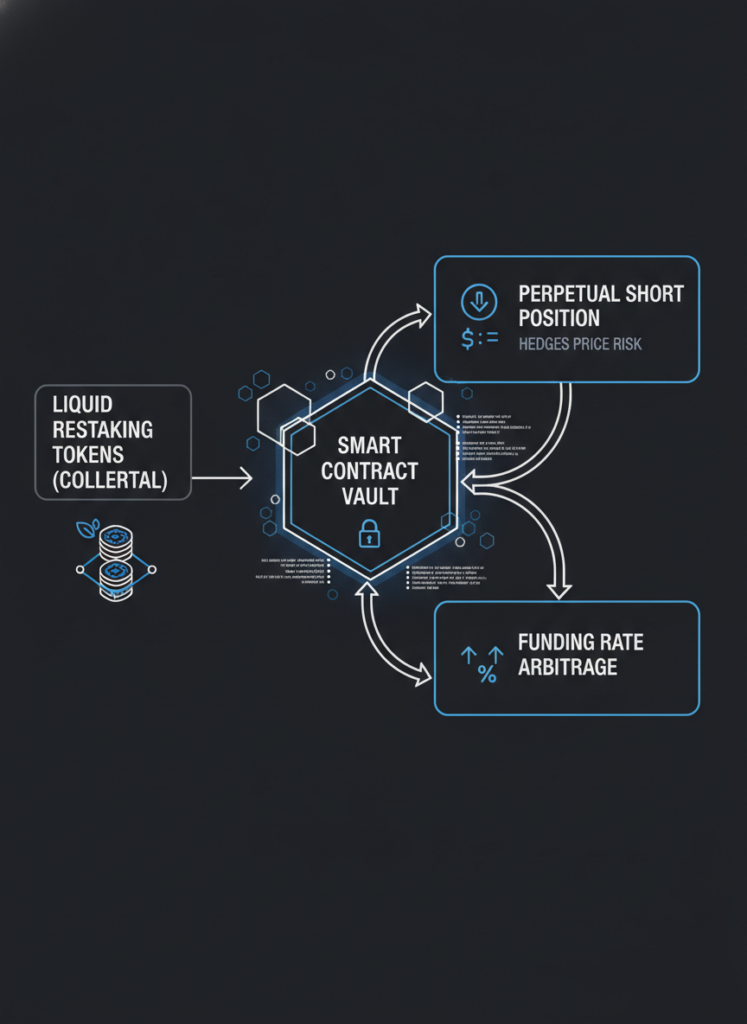
The 2026 iteration of algorithmic stablecoins has entirely abandoned the flawed seigniorage models of the Terra era. Instead, current protocols leverage synthetic delta-neutral positions backed by Liquid Staking Tokens (LSTs) and Liquid Restaking Tokens (LRTs). By mathematically balancing perpetual short positions against yield-bearing spot assets, these soft-peg models aim to capture continuous funding rate yields while theoretically isolating the underlying collateral from price swings.
However, this utility operates on a razor’s edge. The true product is not just a medium of exchange, but a synthetic yield engine designed for advanced DeFi integrators.
What is the difference between a hard-peg and a soft-peg stablecoin in 2026?
The dichotomy between regulated vs market-optimized stablecoins in 2026 DeFi fundamentally comes down to redemption logic. A hard-peg stablecoin (like USDC or PayPal USD) guarantees a 1:1 fiat redemption backed by Treasury bills and cash reserves held in regulated, off-chain bank accounts. They are rigid, compliant, and centralized.
Conversely, a soft-peg algorithmic stablecoin targets $1.00 but structurally accepts localized deviations—often trading between $0.98 and $1.02. This elasticity is intentional. Instead of burning treasury cash to defend a rigid peg, a soft-peg protocol dynamically adjusts its internal minting fees, borrowing rates, and yield distributions. When selling pressure mounts, the protocol intentionally allows the peg to soften, creating arbitrage incentives for market makers to close the delta rather than bleeding the treasury dry.
Are soft-peg algorithmic stablecoins safe during the 2026 volatility?
Evaluating the delta-neutral algorithmic stablecoin performance during March 2026 crash reveals a nuanced reality. When Bitcoin abruptly shed 22% of its value, leading to cascading liquidations across decentralized perpetual exchanges, top-tier soft-peg models did not implode. However, they did decouple, floating to $0.94 for approximately 72 hours.
The survival of these protocols relied entirely on their delayed settlement mechanisms and automated delta rebalancing. If you want to know how to stress-test soft-peg stablecoins for liquidation cascades, you must map the liquidity depth of the perpetual futures market against the protocol’s total supply. During the March volatility, the protocols that survived were those that instituted staggered withdrawal queues, preventing a fatal bank run. They are “safe” for yield-seeking institutional capital that can weather short-term illiquidity, but deeply unsafe for retail users needing immediate, par-value fiat off-ramps.
Can liquid restaking tokens cause a stablecoin depeg event?
Yes, and this represents the most critical blind spot in current institutional reporting. Many competitors focus exclusively on smart contract bugs, ignoring the layered economic threat of Actively Validated Services (AVS) slashing.
Our liquid restaking slashing contagion risk analysis for stablecoins indicates that if a major AVS operators network experiences a severe slashing event, the underlying LRT (such as eETH or pufETH) loses immediate parity with native Ethereum. Because soft-peg stablecoins heavily utilize these LRTs as collateral to generate baseline yield, an abrupt 5% haircut on the LRT forces the stablecoin’s smart contracts to instantly re-collateralize by unwinding short positions. If this occurs during high network congestion, the slippage from unwinding these positions can vaporize the protocol’s insurance fund, directly translating the AVS penalty into a stablecoin depeg event.

Technical Deep-Dive: Architecture and Team Competence
The most prominent 2026 soft-peg protocols are operating with highly sophisticated, quasi-anonymous development teams migrating from quantitative hedge funds. Unlike the marketing-heavy projects of previous cycles, qualitative analysis of these new teams reveals a strictly math-first approach. Their GitHub repositories showcase bespoke off-chain oracle networks prioritizing latency reduction over pure decentralization.
Furthermore, the Ethereum Glamsterdam upgrade impact on stablecoin gas fees has fundamentally improved the viability of these algorithms. By significantly reducing Layer-2 state growth costs, soft-peg smart contracts can now execute high-frequency rebalancing transactions (every 12 seconds instead of every 3 minutes) without incinerating yield in gas fees, allowing tighter peg maintenance during extreme market turbulence.
Regulatory Headwinds: The US Regulatory Landscape
How does the GENIUS Act affect algorithmic stablecoin compliance?
The Global Electronic Network and Institutional Utility Standards (GENIUS) Act fundamentally alters how fiat-backed operators function, enforcing strict auditing and capital reserve requirements. However, institutional stablecoin adoption post GENIUS Act 2025 has inadvertently pushed aggressive yield-seekers into the soft-peg market. Because soft-peg stablecoins do not claim to be fiat-backed—marketing themselves instead as “structured synthetic assets”—they currently exist in a regulatory gray area, avoiding the immediate capital reserve mandates required by the GENIUS Act, though reporting requirements for VCs backing these protocols have tightened severely.
Is the passive yield ban in the Clarity Act enforceable for DeFi?
Examining the impact of US Clarity Act on stablecoin passive yield 2026 requires understanding the limitations of jurisdictional enforcement. The Clarity Act bans domestic entities from issuing interest-bearing stablecoins. However, because soft-peg algorithmic models distribute yield via rebasing smart contracts or separate governance tokens rather than direct fiat interest, enforcement against decentralized, offshore protocols is practically impossible. Geofencing IP addresses remains the only viable enforcement mechanism, which sophisticated capital easily bypasses via decentralized VPNs and zero-knowledge routing.

Pros and Cons of Soft-Peg Algorithmic Models
Pros:
- Capital Efficiency: Achieves significantly higher native yields by stacking perpetual funding rates with LST/LRT rewards.
- Censorship Resistance: Lacks fiat bank accounts that can be frozen by centralized authorities.
- Market Adaptability: The floating peg mechanism absorbs structural shocks better than hard-peg synthetic variants.
Cons:
- Contagion Risk: Highly susceptible to slashing events originating from underlying restaking protocols.
- Complex Liquidation Cascades: Extreme negative funding rates in perpetual markets can bleed the protocol’s backing.
- Regulatory Scrutiny: Increasing pressure from global regulators attempting to classify algorithmic assets as unregistered securities.
Competitor Comparison
| Feature | Soft-Peg Synthetic (2026 Model) | Overcollateralized (e.g., Maker/USDS) | Fiat-Backed (e.g., USDC) |
|---|---|---|---|
| Peg Mechanism | Delta-Neutral / Algorithmic | Collateral Debt Positions | 1:1 Fiat Reserves |
| Primary Collateral | LSTs, LRTs, Perpetual Shorts | ETH, RWA, Cryptocurrencies | US Treasury Bills, Cash |
| Yield Source | Funding Rates + Staking | Borrowing Fees + RWA Yield | Traditional TradFi Interest |
| Liquidation Risk | High (Funding/Slashing) | Moderate (Collateral Price Drop) | Zero (Insolvency Risk Only) |
Final Verdict & Market Outlook
Soft-peg algorithmic stablecoins are not designed to be casual digital cash; they are highly specialized instruments for sophisticated on-chain capital management. B2B cross-border stablecoin transaction volume trends 2026 indicate that while enterprises overwhelmingly prefer fiat-backed hard pegs for payroll and vendor settlements, DeFi power users and treasury managers are aggressively migrating to soft-pegs to maximize capital efficiency during stagnant market phases.
For international users navigating complex localized regulations, securing the best stablecoin on-ramps for UK and Australia in 2026 often means moving fiat into regulated hard-pegs first (like USDC), then swapping into soft-peg synthetics via decentralized aggregators to capture yield.
Ultimately, soft-peg models have proven functionally resilient against standard cyclical volatility. However, until the systemic risks of liquid restaking contagion are fully isolated, these stablecoins should be treated as high-yield structured products rather than flawless digital reserve currencies.
About the Author:
The author is a Senior Product Reviewer and DeFi analyst specializing in smart contract architecture and institutional market mechanics. With a background in structural engineering and algorithmic trading, they provide rigorous, data-driven assessments of the decentralized finance ecosystem, bridging the gap between theoretical tokenomics and real-world execution.